

The Samsung Galaxy Watch FE makes yet another appearance


Summary
- The Samsung Galaxy Watch FE might launch on June 24 carrying a $200 price tag, with additional discounts and promotions likely being provided.
- Leaks suggest that the Galaxy Watch FE could be a rebranded version of the Galaxy Watch 4, featuring the same hardware and design.
- Samsung may not hold a large event for the Galaxy Watch FE unveiling, possibly reserving most of the fanfare for the July 10 Unpacked event.
Leaks related to the Samsung Galaxy Watch FE have intensified over the past couple of months. While it was initially believed that Samsung would launch this “Fan Edition” smartwatch during the July Unpacked event, recent reporting suggests that won’t be the case. Instead, the company will supposedly release it before the end of June, well in advance of the Galaxy Watch 6’s debut. Now, Amazon Italy appears to have jumped the gun by momentarily listing the Galaxy Watch FE online, while also listing its price tag.
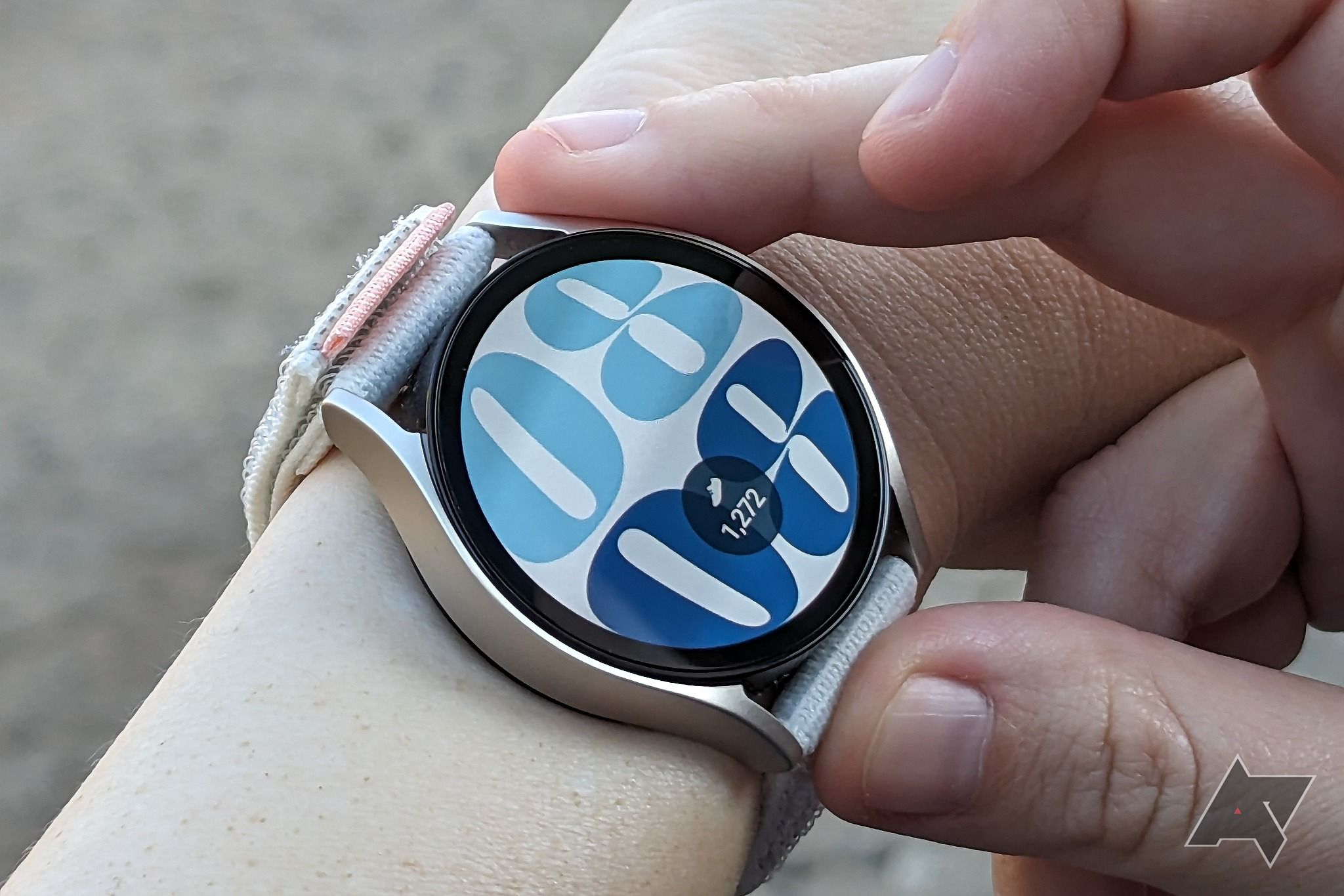
Samsung Galaxy Watch FE: News, rumors, and what we’d like to see
Samsung’s working on a cheaper smartwatch, and we’re pretty excited
While there’s no URL available for the listing, the folks at YTechB have published a screenshot showing what looks like a placeholder for the 40mm version of the Galaxy Watch FE in Pink Gold (via GSMArena). The screenshot doesn’t contain any product images, although the €199 price tag is visible.
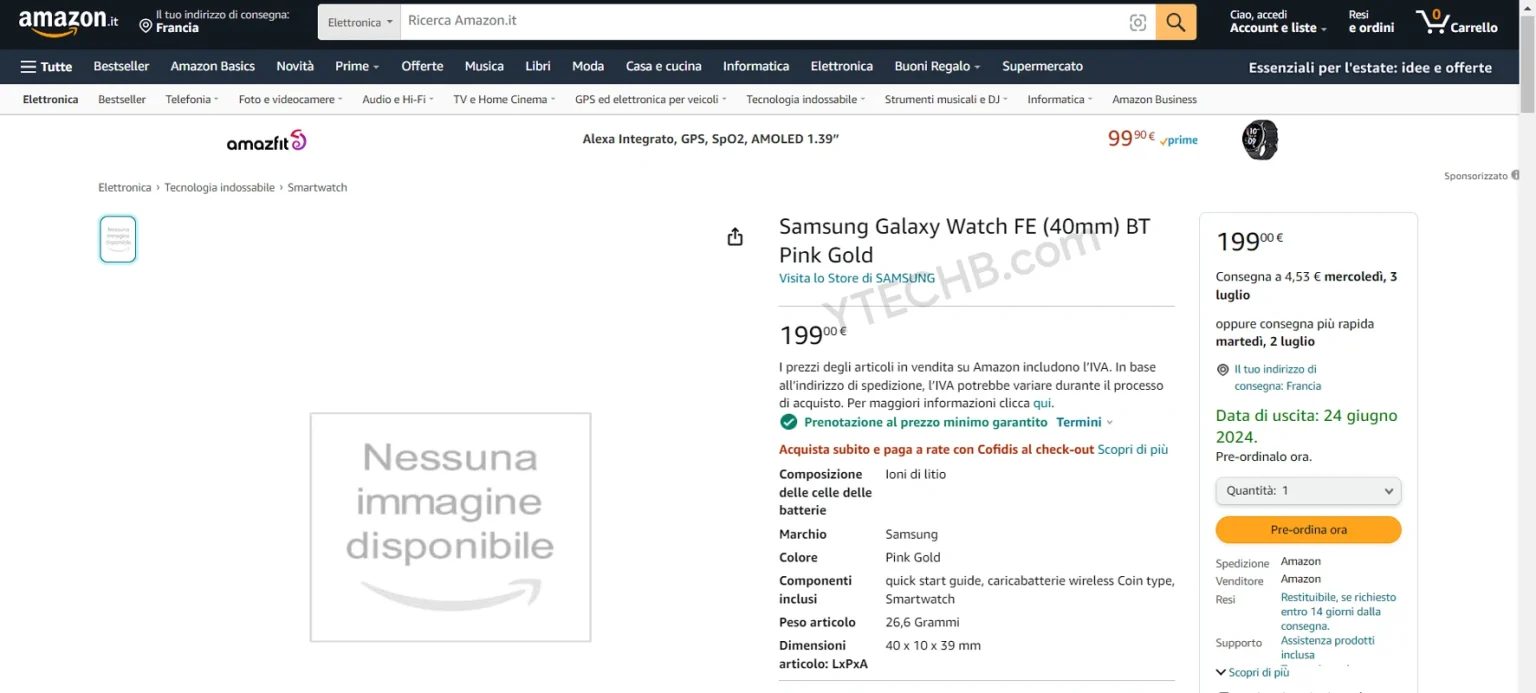
This makes it likely that the wearable will cost around $200 when it launches in the US later this month. Samsung will expectedly run some promotions and discounts for the Galaxy Watch FE, given that the more premium Galaxy Watch 6 (40mm) currently sells for $200 through retailers like Amazon and Best Buy.
Also this week, Samsung was found running a promotion for the Galaxy Watch FE in France even before its official launch. Samsung US also partially confirmed the budget-ranged smartwatch’s imminent arrival in a separate instance. These slip-ups — whether unintentional or otherwise — suggest that Samsung may not hold a large event for the unveiling of the Galaxy Watch FE later this month, reserving most of the fanfare for the Unpacked event in July.
The Galaxy Watch FE could launch on June 24
A familiar source of smartphone leaks, Arsène Lupin, revealed yesterday that the Galaxy Watch FE will launch on June 24. This aligns with previous reports about Samsung wanting to release the smartwatch much before the Galaxy Watch 6 series arrives at the Unpacked event, which is rumored to take place on July 10. Interested buyers shouldn’t get their hopes up with regard to the Watch FE’s hardware, as it’s effectively a rebranded version of the Galaxy Watch 4 from 2021.
Meanwhile, an elaborate leak yesterday revealed pixelated images of supposed Samsung marketing images, detailing the entire portfolio of devices that will be announced next month, including the two Galaxy Z-branded foldables, two Galaxy Watch models, and the Galaxy Ring. The company is also likely to reveal the Galaxy Buds 3 and Buds 3 Pro during the hardware launch event, though they weren’t part of the leaked marketing materials.

Samsung Galaxy Watch 6
The Samsung Galaxy Watch 6 is surely one of the best Android watches available, especially if you are already in the Samsung ecosystem. With a sapphire crystal display, Exynos W930 processor, 2GB of RAM, and up to a 425mAh battery, this watch is built to be a solid performer.




