The current smart ring situation is really bad


Smart rings should be the least controversial, easiest to wear and own health and lifestyle trackers we can buy. Yet, over the last week, almost every major brand and model has been mired in some kind of issue, and I can’t remember the last time a niche tech segment was so beleaguered.
Here’s what’s going on, and why it matters.
Oura and Palantir
What’s happening to the data
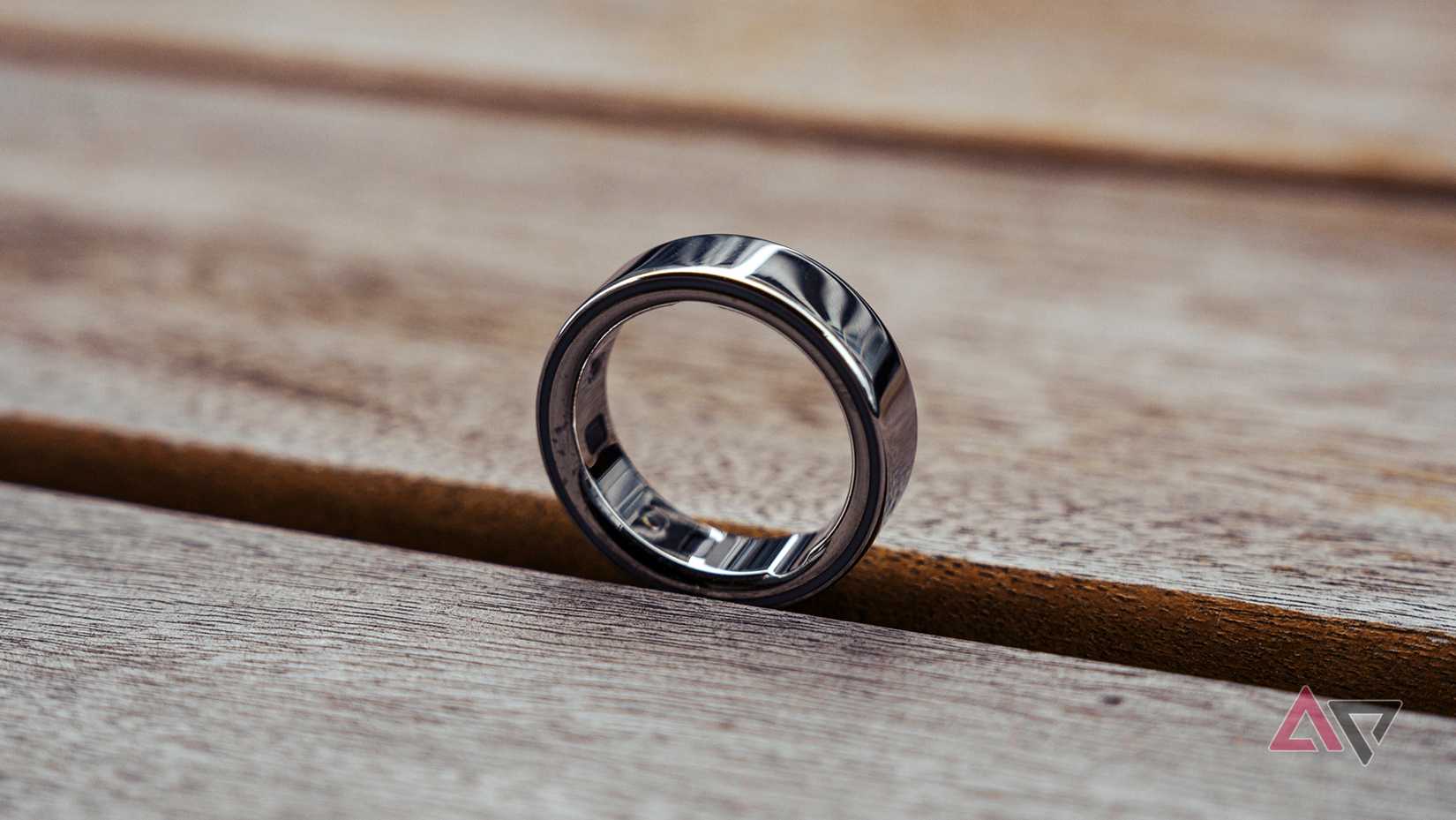
On August 27, Oura announced a partnership with the U.S. Department of Defense (DoD) — now its largest business client — where its Oura Ring 4 smart ring will be used for research into stress management, physical fitness, fatigue, and early illness detection. In an extensive release on the research, it went into detail about how the smart ring will be used.
Unfortunately, the partnership sparked controversy due to the DoD’s partnership with Palantir, a software and data company which has gained notoriety for its work with not only the DoD, but also Immigration and Customs Enforcement and various foreign military organizations, along with its political ties.
The result was concern among owners about what this would mean for their personal data, and how Oura’s link to Palantir sat with their personal beliefs. Check the Oura Ring subreddit to see the impact, with many stating they would cancel their subscription and stop using the smart ring.
Palantir’s name wasn’t mentioned in Oura’s release, but its discovery elsewhere on Oura’s website, turned a business-focused announcement with limited appeal to those outside the military into a controversy to which the company had to respond. It even overshadowed the news Oura has invested in a U.S. manufacturing site for the Oura Ring.
Was the outrage warranted? Raising concern over how our personal data is used and shared is always warranted, and by doing so, the company was forced to clarify. Oura subsequently published a blog post on its commitment to privacy, confirming it will never sell data collected from its smart rings, and fight against legal requests to access it.
The post also talked about Oura’s work with the DoD.
Separate from the services we provide to Oura members, Oura provides an enterprise, government-only solution that secures sensitive data for service men and women as part of our work with the Department of Defense. Oura Enterprise Platform is used for government contracts to handle sensitive federal employee data, for which extra safeguards are often required.
Unless you’re a service member who’s enrolled in a DoD health or human-performance program that uses Oura Ring, AND you’ve consented to share your data with that program, your data will never be shared with the DoD. Your data does not touch Oura’s DoD-only offering and Oura does not—and will never share—your data with the DoD or other government entities.
Oura doesn’t mention Palantir specifically in the blog post, and in an email sent to a Redditor by Oura CEO Tom Hale, it’s clear why: “We do not have a strategic partnership with Palantir,” he wrote.
It certainly seems most product and data concerns shouldn’t worry non-DoD Oura Ring wearers. It’s good to question everything when it comes to our health data, and it’s even better when the situation is clarified by the company we trust with it.
Oura, Ultrahuman, and RingConn
Fighting in the courtroom
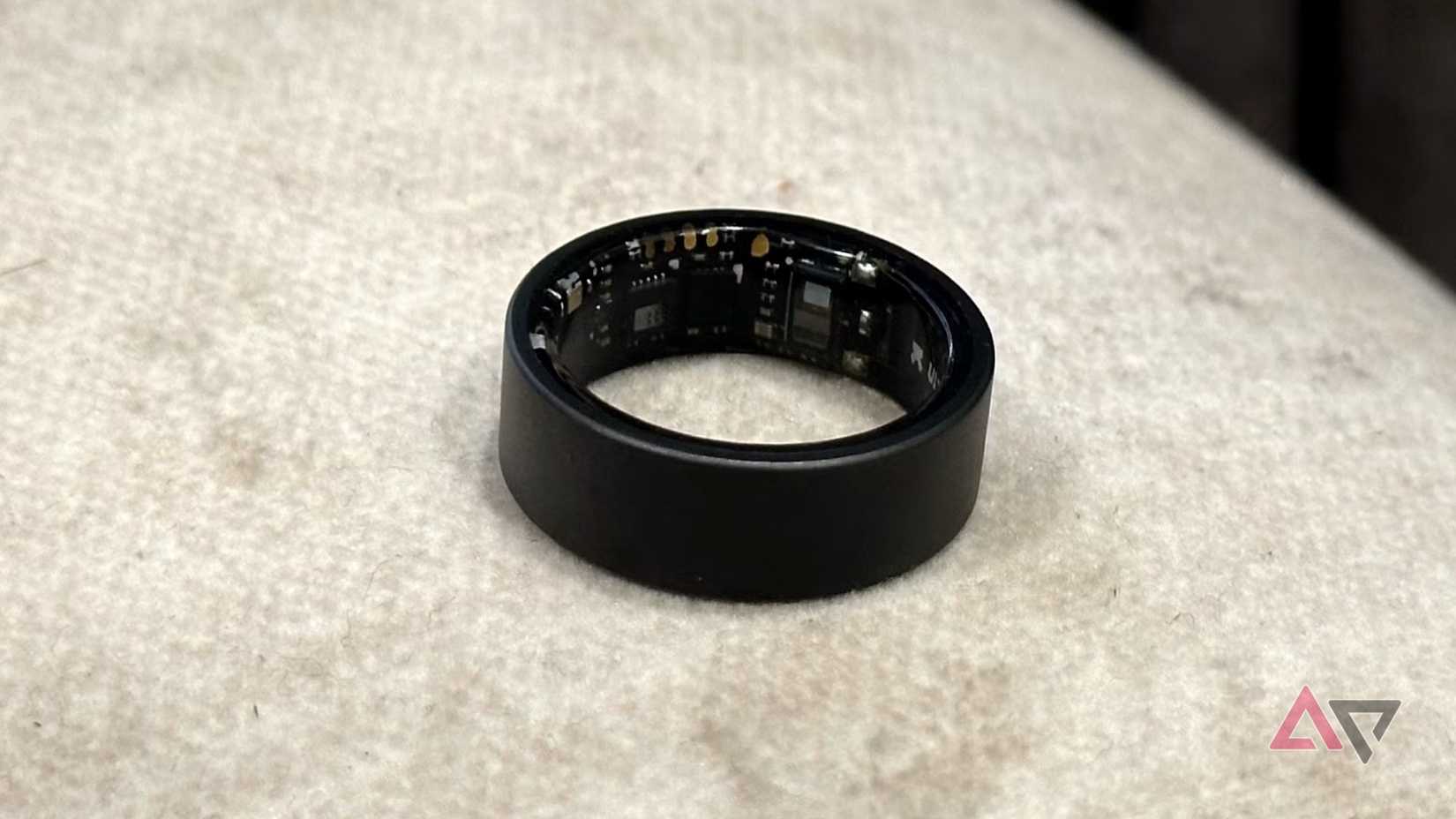
Lawsuits in the world of tech are common, and unless you’re in the legal field or have a personal tie to the parties, it’s rarely very interesting. That is, until the action reaches its conclusion, just as it has for Oura’s long-running lawsuit against smart ring makers RingConn and Ultrahuman regarding patent infringement.
Because you’re reading Android Police and not Legal Police, plus I’m not a lawyer, we won’t rehash the details of the lawsuit or go deep into patent details here, but the conclusion definitely requires our attention. Oura won its case against the two smart ring makers, and it’s going to mean less choice for you, at least in the short term.
Ultrahuman has said it will no longer sell its smart ring in the U.S. after October 21, but those who already own the Ring Air will not see any alterations to the ring or app. It also states a new smart ring is being developed, presumably without the patent-infringing issues, and it will arrive before the end of the year.

RingConn, the other manufacturer in the lawsuit, posted to Reddit that its sales are operating as usual during the same 60-day period as Ultrahuman, but has not indicated whether this will change for the RingConn Gen 2 or RingConn Gen 2 Air in the near future. Android Police has contacted RingConn for clarification.
However, as is fitting during these crazy times for smart rings, this is not the end of the story. Ultrahuman has responded by filing a lawsuit of its own against Oura, and accused the company of purchasing patents and then suing the competition. This has, in turn, riled up smart ring buyers who are rightly frustrated by two (mostly) subscription-free smart rings being litigated out of the U.S. market.
Sales bans are never good for consumers, regardless of how they came about, but even more so when they relate to still-young product categories like smart rings. Full control of the market by one company is only good for the company in question. The erosion of choice during these early years stifles innovation and keeps prices high. I want to see smart rings succeed, but this is not the ideal route for them to do so.
Circular Ring 2
Shipping out, but concerns remain

The Circular Ring 2, a Kickstarter campaign which raised more than $4million, has already had its fair share of problems, but finally the smart ring is reaching those who backed the project, but it’s still not the smoothest product release.
Circular has posted to the smart ring’s crowdfunding campaign page about solutions to issues noted by those who have already been testing the smart ring, and has promised the remaining rings will be shipped soon.
However, backers in the comments aren’t happy. There are complaints about sizing problems, app issues, and sync reliability, along with a lack of response from the customer service team. These are all to be somewhat expected with a new product, but this isn’t Circular’s first try at a smart ring, so ongoing issues around these aspects are unfortunate and not sitting well with everyone.
I was an early backer and believed in you. I was excited to be a part of this journey. If anyone was to ask me today I would tell them to run from this company/ring. Sadly this is my first kickstarter purchase and definitely will be my last.
It’s impossible to please everyone, but comments like this do not reflect well on the company. Again, for smart rings as a product category to thrive, market leaders need competition from reliable, safe, and trustworthy alternatives.
Samsung Galaxy Ring
Yes, it does still exist
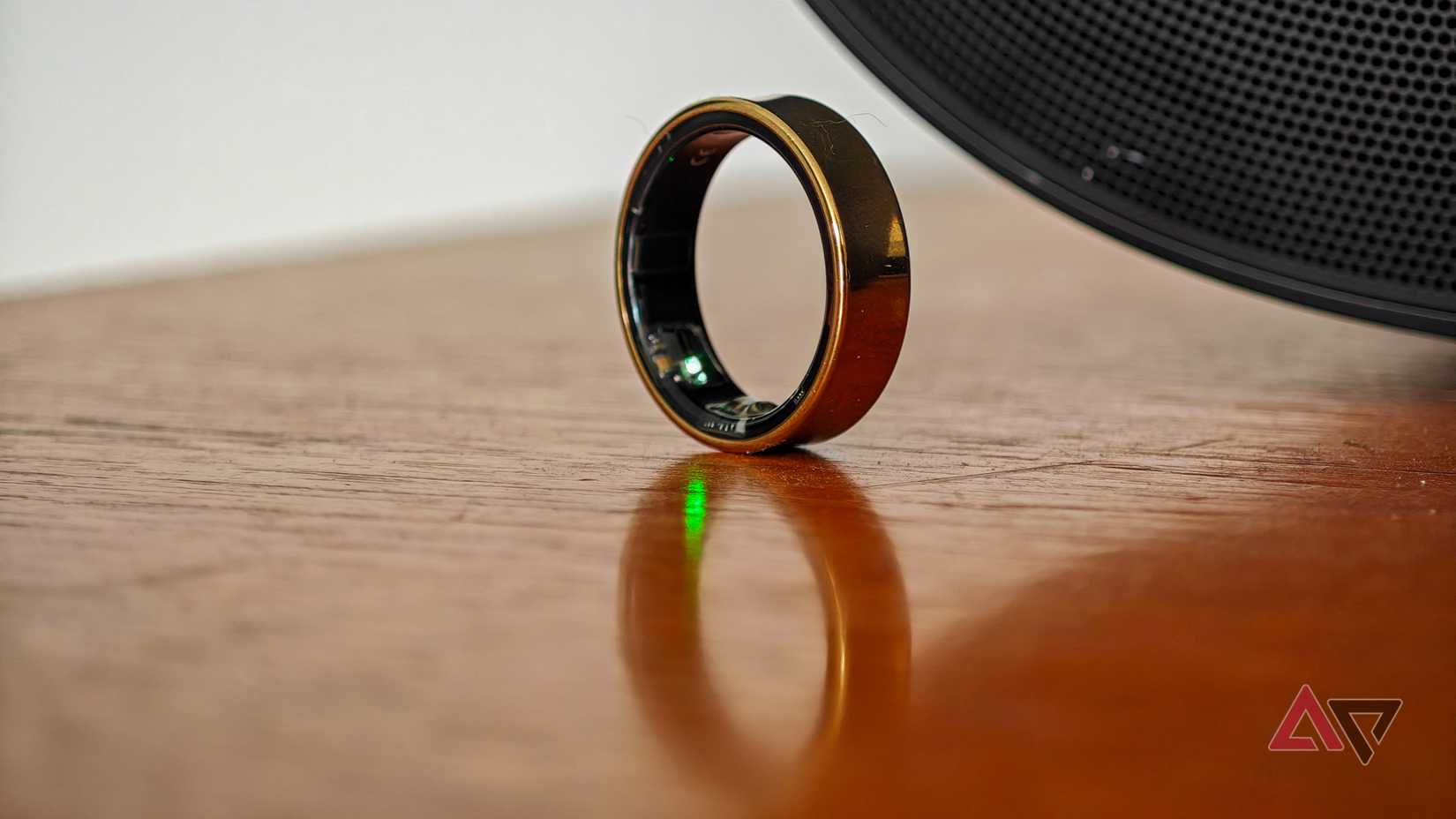
Has the Samsung Galaxy Ring been stealing headlines too? No, and that’s almost as big a problem as the negative headlines garnered by its competitors recently. Samsung released the Galaxy Ring at the end of July 2024, meaning it’s now over a year old and it seems everyone has stopped talking about it, including Samsung.
While the Galaxy Watch 8 and Galaxy Watch 8 Pro arrived with the Galaxy Z Fold 7 and Galaxy Z Flip 7, the Galaxy Ring was not updated at all. There was no mention of how it may be a great complement to the new smartwatches, no clever new feature to encourage you to buy both a Galaxy smartwatch and a Galaxy smart ring, and not even a new color to remind us it exists.
Oura, Circular, Ultrahuman, and RingConn have all been in the news, and while little of the coverage has been positive (or taken positively), at least the products are being kept in people’s minds. If Samsung had remembered it also has a smart ring in its range, it could have taken advantage of all this negativity by promoting its own subscription-and-controversy-free model to the disillusioned public.
Smart rings are an exciting alternative to smartwatches, suiting some people far more than a device worn on the wrist, but they are still relatively young products as a whole, and the market is still adapting and stabilizing. Unfortunately, controversies and poor planning can lead to distrust, while in-fighting and product apathy can result in less choice.
Oura, despite it being a big part of almost all the recent stories, remains the best choice for most people, but it shouldn’t be the only option. Unfortunately, efforts by the competition either aren’t being given a chance to take it on, or the makers are making it very difficult to recommend their products instead. It’s a bad time for smart rings, but there’s still hope for the rest of 2025.