7 best Android keyboard apps for effortless typing


Mechanical keyboards are superior for tactile feedback. Virtual keyboards offer advantages that work well for the best Android tablets, phones, and even Chromebooks. One of our favorites is Gboard, which has features and customization options that elevate the typing experience. Some focus on simplicity and minimalist features for smartphones, while others aim to improve your writing. Swapping your default Android keyboard is easy, even if none of these keyboards are installed. Check out our hand-picked list of our favorite Android keyboard apps from the Google Play Store.
1 Gboard
Google’s all-in-one keyboard
|
In-app purchases |
No |
|
Subscription |
No |
|
ChromeOS support |
No |
|
Publish date |
Jun 5, 2013 |
Gboard is installed on many Android devices by default, but it’s the best keyboard app available for those who don’t have it (or for iOS users). Gboard’s array of features includes integrated Google Translate and quirky Emoji Kitchen stickers. If you’re looking for a good keyboard app with plenty of power under the hood, Gboard should be your first choice.
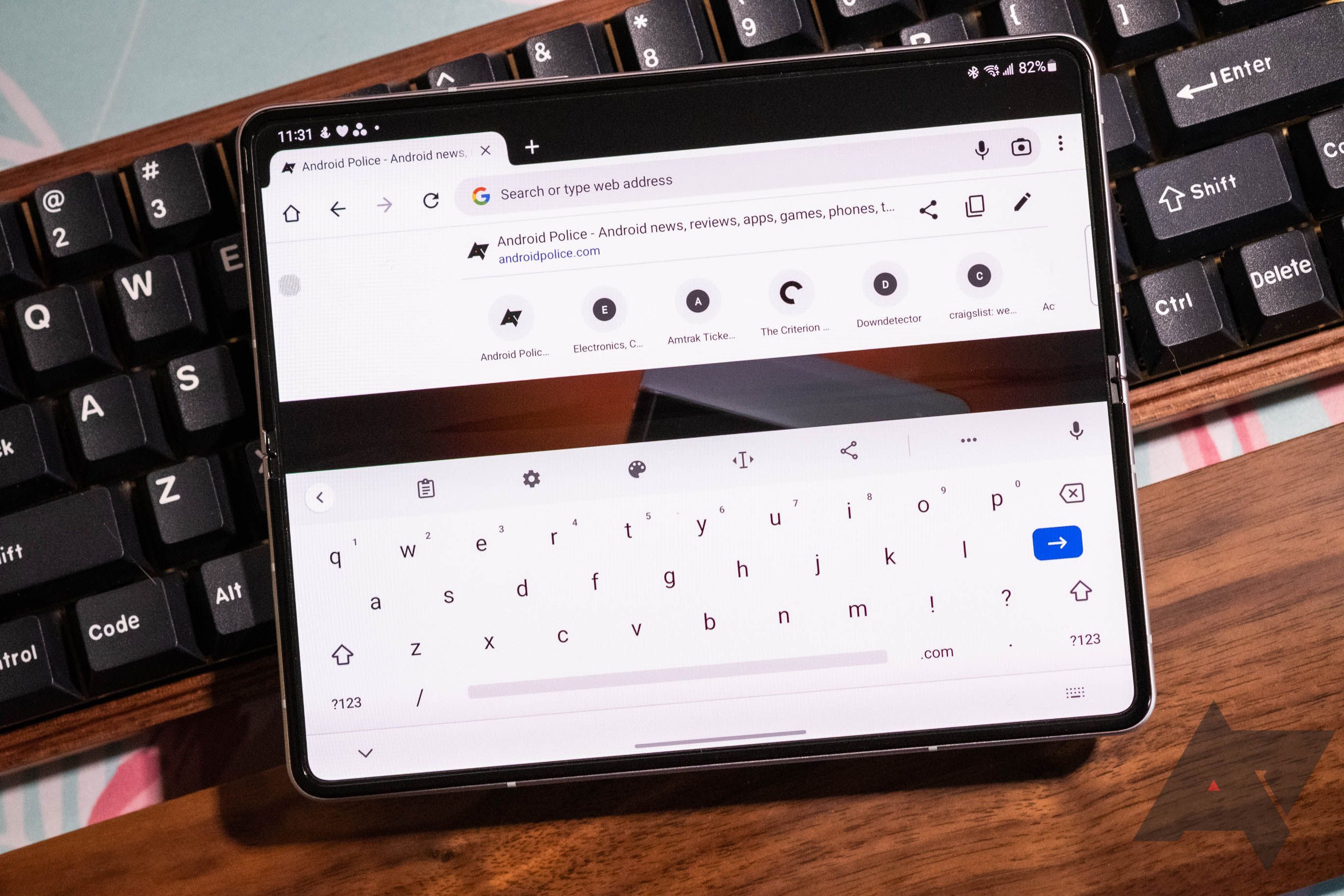
Google’s keyboard app supports voice input, handwriting, and gesture typing. If you’ve used the Pixel Screenshots AI feature, it now has Gboard integration for searching for relevant data after turning on suggestions in Gboard. It’s also perfect if you use an Android phone with stylus support, like the Samsung Galaxy Z Fold 6. But some people might find its wealth of features unnecessary, as their shortcuts take up screen space.
2 SwiftKey
Microsoft’s AI-powered keyboard
|
In-app purchases |
No |
|
Subscription |
No |
|
ChromeOS support |
No |
|
Publish date |
Sep 22, 2010 |
For those who enjoy Gboard’s functionality but want a change, the Microsoft SwiftKey keyboard is a perfect alternative. It’s designed to learn how you type and pick up slang and nicknames so that it doesn’t badger you with constant autocorrections. It takes some time to understand your writing, but it’s ideal if you constantly deny autocorrect suggestions.
Beyond this, SwiftKey has everything you expect from a smart keyboard. It has emoji and GIF search, multiple themes, and support for more than 700 languages. Unlike Gboard, its translation tools aren’t powered by Google Translate but are still adequate. The app does come with Microsoft Copilot, so if you’re into generative AI, you’ll like this addition.
3 Grammarly
Keyboard for grammar nerds
|
In-app purchases |
$29.99 to $139.99 per item |
|
Subscription |
Yes |
|
ChromeOS support |
No |
|
Publish date |
Dec 11, 2017 |
Grammarly is one of the best Google Chrome extensions, and its keyboard app is as valuable. Think of it as a personal dictionary. Grammarly checks your writing anywhere you type through its keyboard app — whether it’s on Android, Windows, or your iPhone — from Facebook posts to outreach emails. While it’s handy for catching odd spelling errors, its writing suggestions and word predictions help you spruce up your sentences as you type.
The Grammarly keyboard is short on new features beyond its writing tools. It has an emoji keyboard, but that’s about it. If you ignore most of Gboard’s features and don’t care about GIFs, Grammarly might be the perfect keyboard for you. Even if you don’t have Grammarly Premium, it offers more English writing advice than the other apps on this list.
4 Typewise
Keyboard for hipsters
|
In-app purchases |
$1.99 to $24.99 per item |
|
Subscription |
Yes |
|
ChromeOS support |
No |
|
Publish date |
Dec 11, 2019 |
The most unconventional keyboard on this list, Typewise, has a built-in game that teaches you how to use the keyboard. It has some significant differences from most keyboard apps, notably its hexagonal keys and non-QWERTY keyboard layouts.
Typewise requires a couple of weeks at minimum to get used to. To simplify the experience, you can set up Typewise to include swipe gestures and shortcuts for phrases. But once you’ve trained your thumbs, you may find this the most comfortable keyboard you’ve ever used. It’s not for everyone, but it can be a lifesaver if you do a lot of typing on your phone. It’s also handy for phones with large screens, like the Google Pixel 9 Pro.
5 AnySoftKeyboard
The open source keyboard
|
In-app purchases |
No |
|
Subscription |
No |
|
ChromeOS support |
No |
|
Publish date |
N/A |
AnySoftKeyboard is one of the best open source apps for Android. Its straightforward keyboard layout means there isn’t a learning curve after switching from your own keyboard. AnySoftKeyboard supports multi-touch input, multi-language support, swipe-typing, dynamic theming, and one-handed mode. It’s feature-rich, which is why we love it.
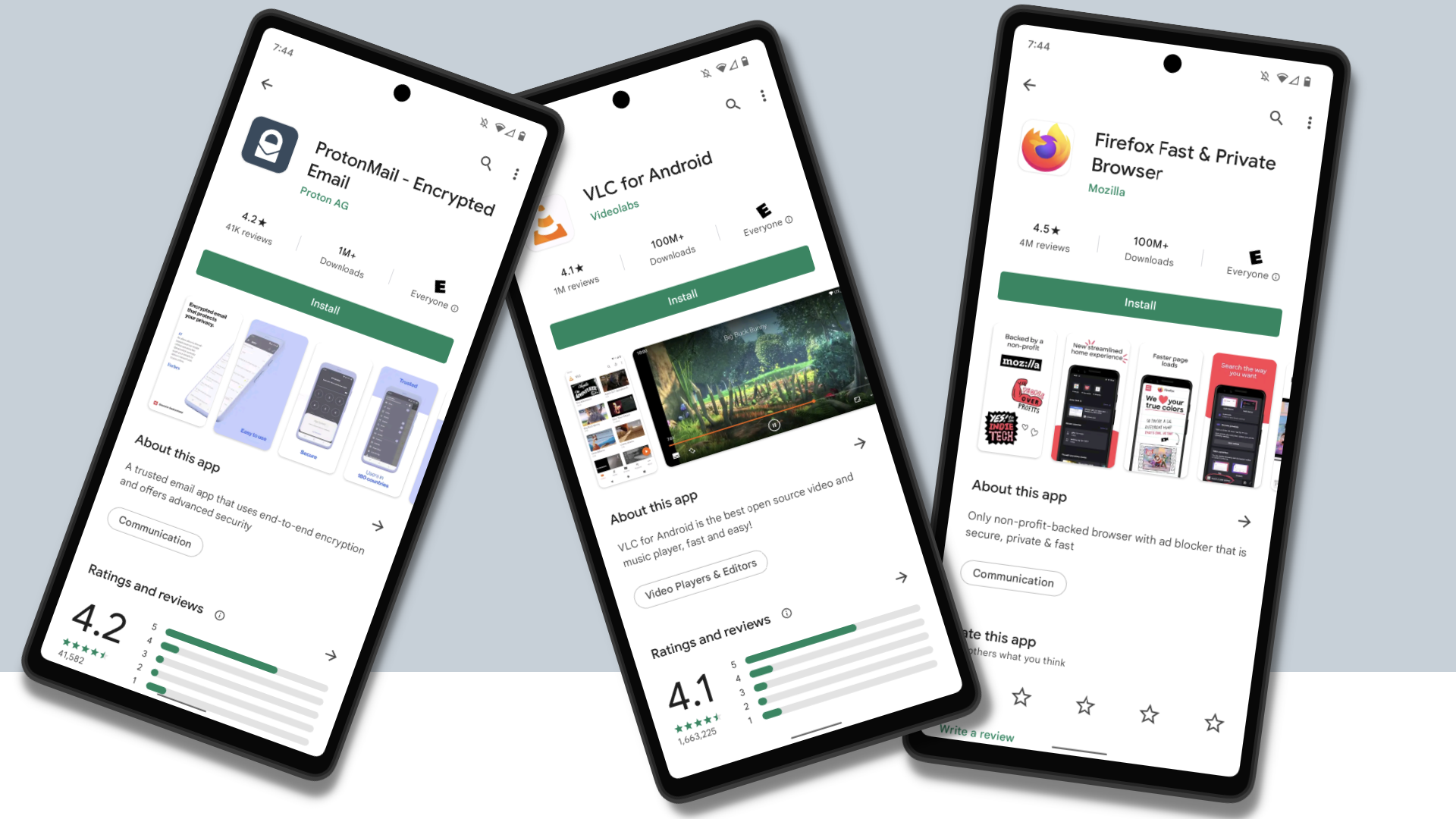
15 best free open source apps on Android in 2024
Dig into the best open source alternatives to your favorite apps to gain freedom
We also like AnySoftKeyboard because of its simplicity. It’s perfect for those who want a no-nonsense keyboard app. Being open source is the cherry on top, as there aren’t many decent open source Android keyboards, especially since the closure of OpenBoard.
6 Simple Keyboard
The minimalist keyboard
|
In-app purchases |
No |
|
Subscription |
No |
|
ChromeOS support |
No |
|
Publish date |
Apr 23, 2017 |
Simple Keyboard does what it says on the label: it prioritizes typing and accessibility. It doesn’t have GIFs, emojis, or Swipe typing. However, you can customize a few things, such as theme and keyboard height. Other than that, it’s a keyboard for minimalists.
Get this if you want a keyboard that doesn’t bother you with a raft of unnecessary features. Simple Keyboard is part of the Simple App family, which includes some of the best apps available for Android users. If you enjoy Simple Keyboard’s minimalist theme, try out the rest.
7 Fonts Keyboard
The creative keyboard
|
In-app purchases |
$0.49 to $7.49 per item |
|
Subscription |
No |
|
ChromeOS support |
No |
|
Publish date |
Aug 21, 2019 |
Sometimes, you want to have fun. That’s where Fonts Keyboard comes in. It’s not as obnoxious as the garish emoji-heavy keyboards that litter the Play Store, but it’s sillier than the other apps on this list. Switching between fonts through a swipeable menu allows you to change in seconds.
It’s a little gimmicky and doesn’t offer as many features as it should, but it’s a fun change from the serious Android keyboards. Compatibility isn’t perfect, so you may notice errors when an app encounters an unknown symbol. However, for the most part, it works without issue.
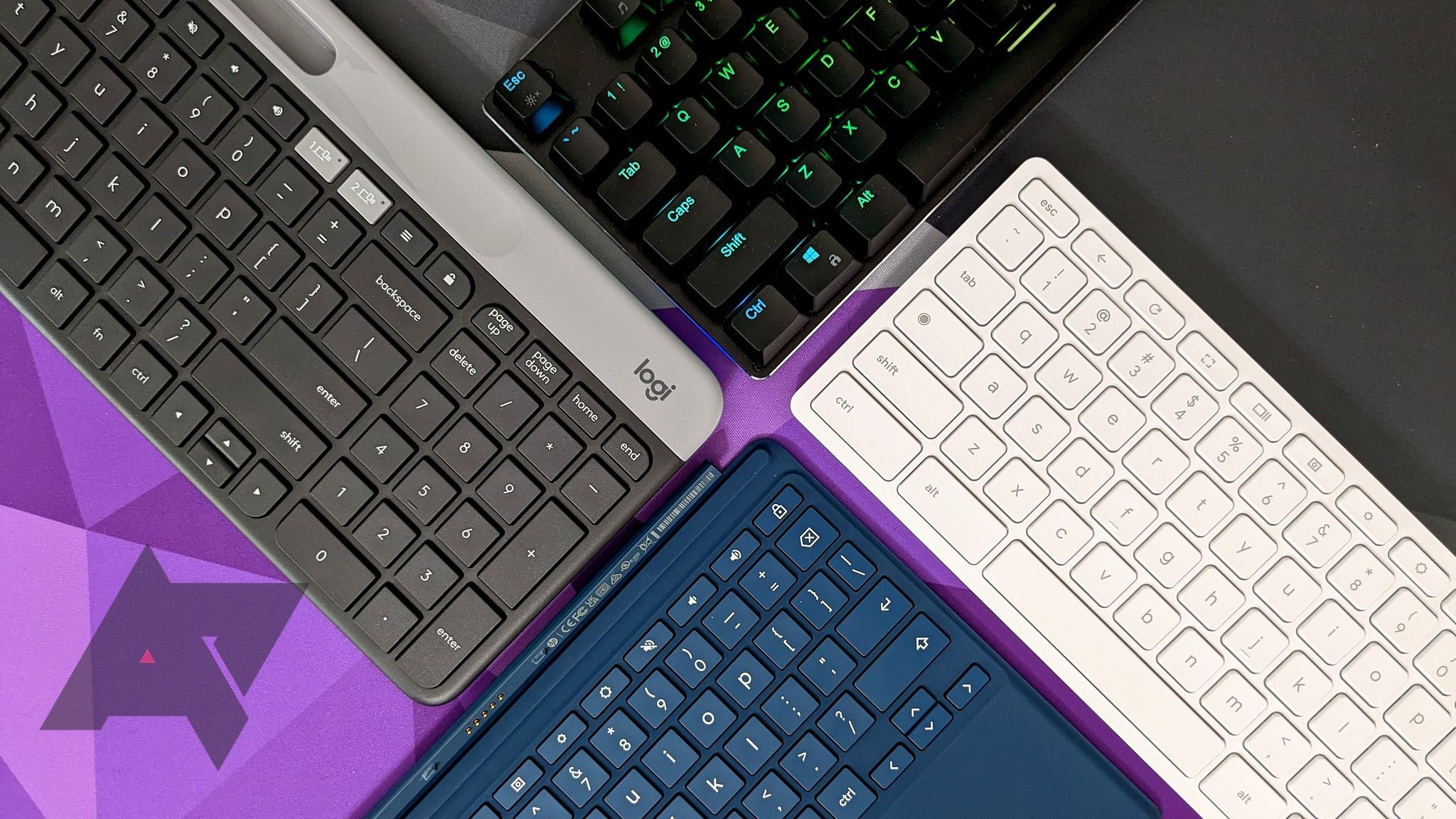
Best keyboards for Chromebooks in 2024
The best wired and wireless keyboards, including the top models with Chrome-specific key layouts
Find the Android keyboard that works best for you
There’s a keyboard app for everyone, but finding the best one takes time. We recommend using a new keyboard app for at least a week before deciding the verdict. These apps take time to get used to the new keyboard look, functions, and style. So, don’t be discouraged because the keyboard initially feels awkward. If you love changing how your Android feels and looks, switching your default launcher to a superior Android launcher alternative may lead to an even better experience.