

The OnePlus Open’s long-delayed Android 14 update is finally live in the US


Summary
- OnePlus Open impresses with its complete foldable vision, surpassing the Samsung Galaxy Z Fold 5 in key areas.
- OnePlus falls behind Samsung in software updates and has taken its time to roll out Android 14 in the US.
- OxygenOS 14 update for OnePlus Open brings new features, but early reports suggest bugs and battery life issues.
Despite the OnePlus Open being the company’s first entrant in the space, it got a lot of things right. We even believe it is the most complete foldable vision to date. While the Open trumps the Samsung Galaxy Z Fold 5 in all key areas, it falls behind its Galaxy competitor in one key area: software updates. OnePlus is nowhere close to Samsung in quickly rolling out updates for its devices. While the Fold 5 received Android 14 in November 2023, the OnePlus Open’s firmware is arriving in the US now — nearly five months after the OS was released.
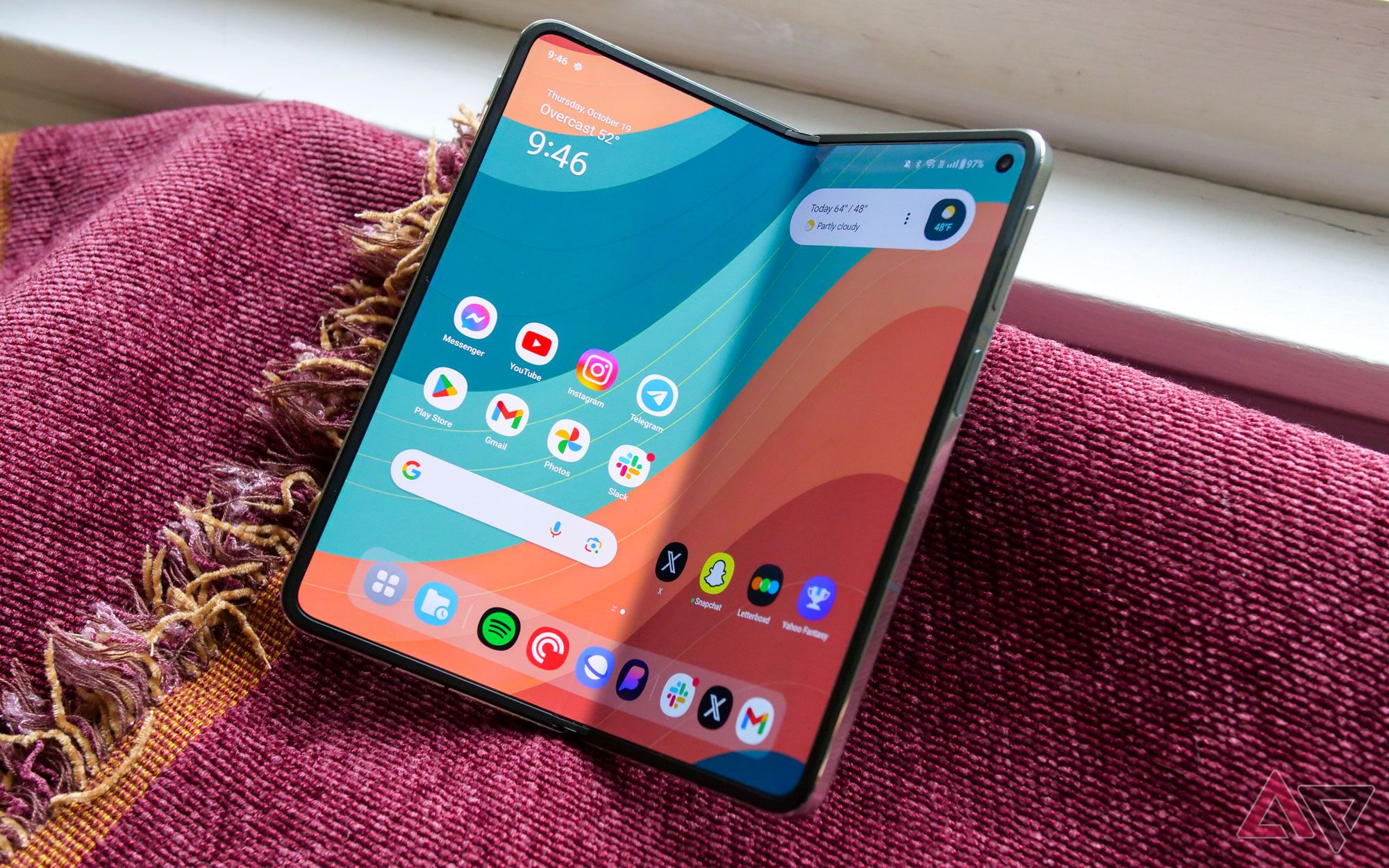
OnePlus Open review: What every foldable should be
Leave it to OnePlus to supply the competition Samsung so desperately needs
OnePlus first rolled out the stable Android 14 build for the Open in India in late January 2024. That build arrived after a month of the OxygenOS 14 beta program for the foldable going live. However, the company has taken its sweet time to bring the latest Android build to the US.
You can find the full release note of OxygenOS 14 for the OnePlus Open below:
Changelog
- Adds Aqua Dynamics, a way of interaction with morphing forms that allows you to view up-to-date information at a glance.
Smart efficiency
- Adds File Dock, where you can drag and drop to transfer content between apps and devices.
- Adds Content Extraction, a feature that can recognize and extract text and images from the screen with one tap.
- Adds Smart Cutout, a feature that can separate multiple subjects in a photo from the background for copying or sharing.
Cross-device connectivity
- Improves Shelf by adding more widget recommendations.
Security and privacy
- Improves photo and video-related permission management for safer access by apps.
Performance optimization
- Improves system stability, the launch speed of apps and the smoothness of animations.
Aquamorphic Design
- Upgrades Aquamorphic Design with a natural, gentle, and clearer color style for a more comfortable color experience.
- Adds Aquamorphic-themed ringtones and revamps the system notification sounds.
- Improves system animations by making them even smoother.
User Care
- Adds a carbon tracking AOD that visualizes the carbon emissions you avoid by walking instead of driving.
Like the OnePlus 11’s OxygenOS 14 update, the Android 14 build for the OnePlus Open ships with Microsoft’s Phone Link app pre-installed. This enables additional functionality like app mirroring and instant tethering with your Windows PC.
If you use the OnePlus Open as your daily driver, you might consider holding off on installing the Android 14 build. Early reports on Reddit suggest the firmware has a few bugs, especially with some apps not working properly with the split screen view on the inner folding screen.
Some users also report a noticeable drop in battery life, though it’s still too early to tell if the firmware is the reason behind this.
The 2.54GB firmware can take a while to download, so ensure the foldable is connected to speedy Wi-Fi and has enough charge before starting the installation. OnePlus has not provided a timeframe for rolling out Android 14 to OnePlus Open units sold in the EU.




