

Weekend poll: Do you actually care about slimmer smartphones?


It’s a weird time for the smartphone industry. After reaching “peak smartphone” in the tail end of last decade — when the vast majority of devices evolved from emerging, exciting gadgets into reliable appliances — we’ve watched as brand after brand has attempted to find the one thing that could convince users to upgrade. Foldables might’ve made a big splash, but all that noise hasn’t exactly converted into sales, and with the vast majority of phones now virtually indistinguishable from each other, it’s obvious that OEMs are looking for something — anything — to freshen things up.
Enter slimness. As if the ghost of gadgets’ past had shown up out of nowhere, companies like Samsung and Apple are once again locked in a battle for who can make the absolute thinnest smartphone. It’s a bit of a gamble, considering that — in my admittedly limited reach — I have yet to find anyone who really complains about the bulkiness of modern devices. While there’s no doubt in my mind that some smartphones could lose a fraction of a millimeter or two, for the most part, I think consumers (and Android enthusiasts specifically) are more interested in loading that 8mm or 9mm chassis up with as many components as possible.
So far, Samsung is leading the slim smartphone charge here — at least, outside the world of foldables. The Galaxy S25 Edge was unveiled back in January, and I’m still waiting to see when we can actually get our hands on it. While initially rumored for an April 15th launch event (what better way to celebrate tax day?) has been thrown for a loop by, reportedly, multiple roadblocks. Not only did Samsung’s CEO recently — and unexpectedly — pass away, but the phone is rumored to have faced a technical issue that prevented next week’s launch from moving forward.
Related
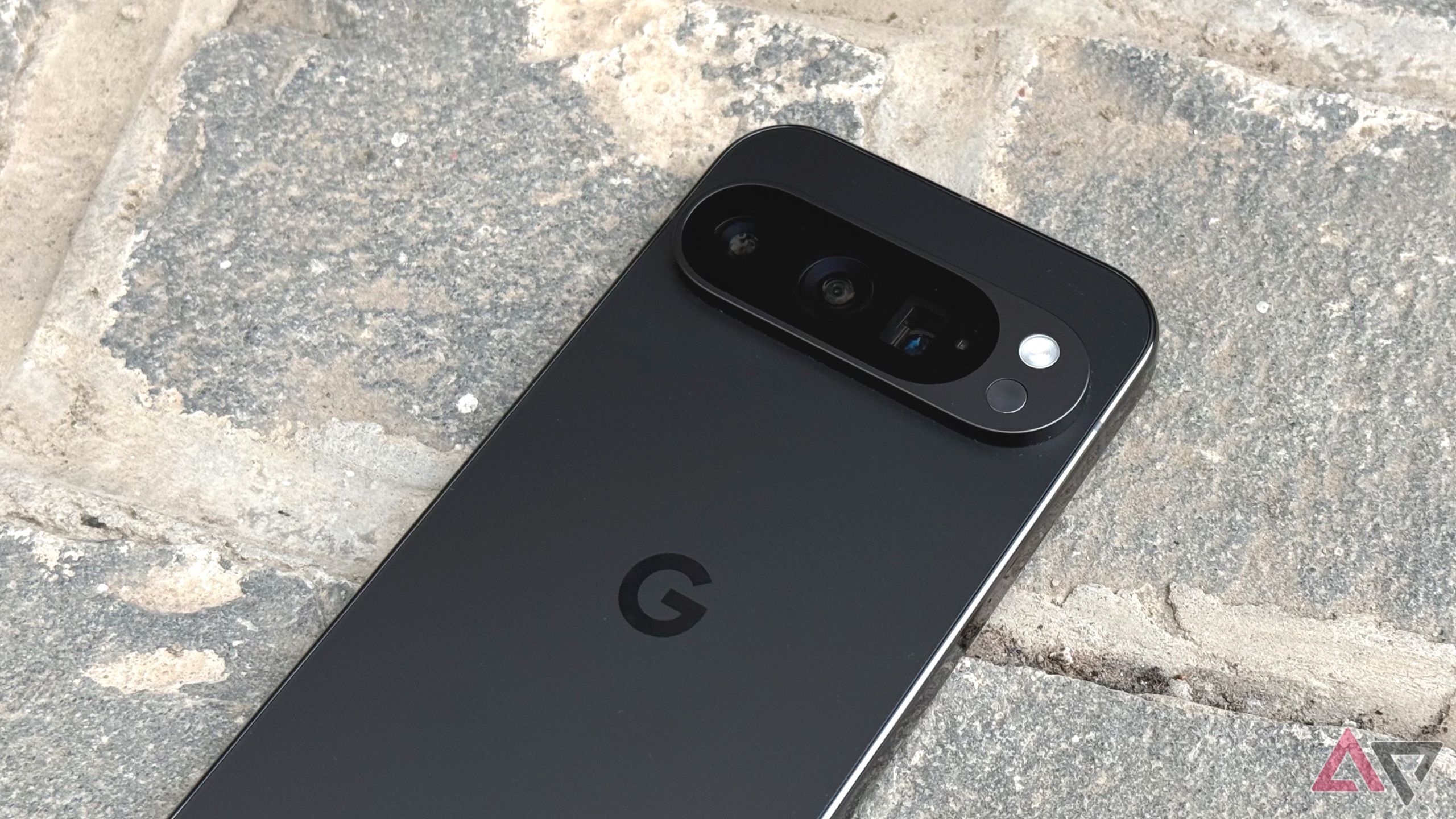
The Pixel 10 isn’t fixing my least favorite thing about the Pixel 9
Let’s make this thing a little slimmer
Current rumors point to a May 13th online-only experience, and while Samsung hasn’t technically delayed anything — the April 15th date was always a rumor, never a confirmation — it sure does feel like we’ve been waiting for a while. In fact, those of us in the US might be stuck waiting longer. The latest word suggest the Galaxy S25 Edge is only coming to South Korea and China, without any indication on when (or even if) it’ll make its way to the US. That could be a decision impacted by tariffs, as we’ve already seen one gadget get hit hard by the new import taxes in place. Either way, it leaves one of Samsung’s most exciting devices in years up in the air.
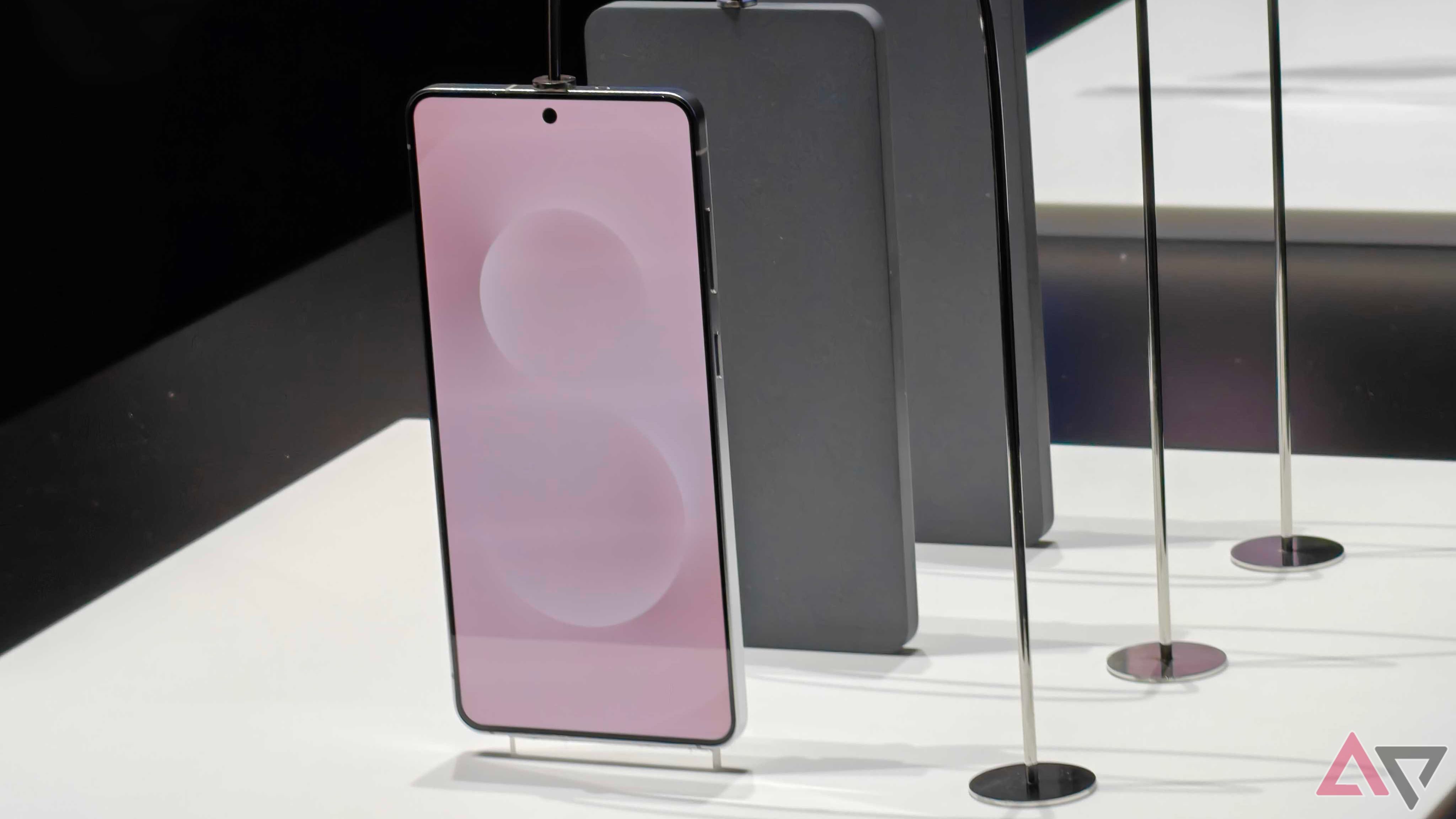
The phone Samsung is trying to beat to market is, of course, Apple’s rumored slim iPhone 17. Potentially (and, these days, colloquially) called the iPhone 17 Air, this device could replace the iPhone 16 Plus in the company’s lineup, pushing the entire product line into a more expensive space without stepping on the toes of the Pro and Pro Max. It’s also giving off big Nexus 6P energy in every leaked render or dummy model, if you’re into that sort of thing.
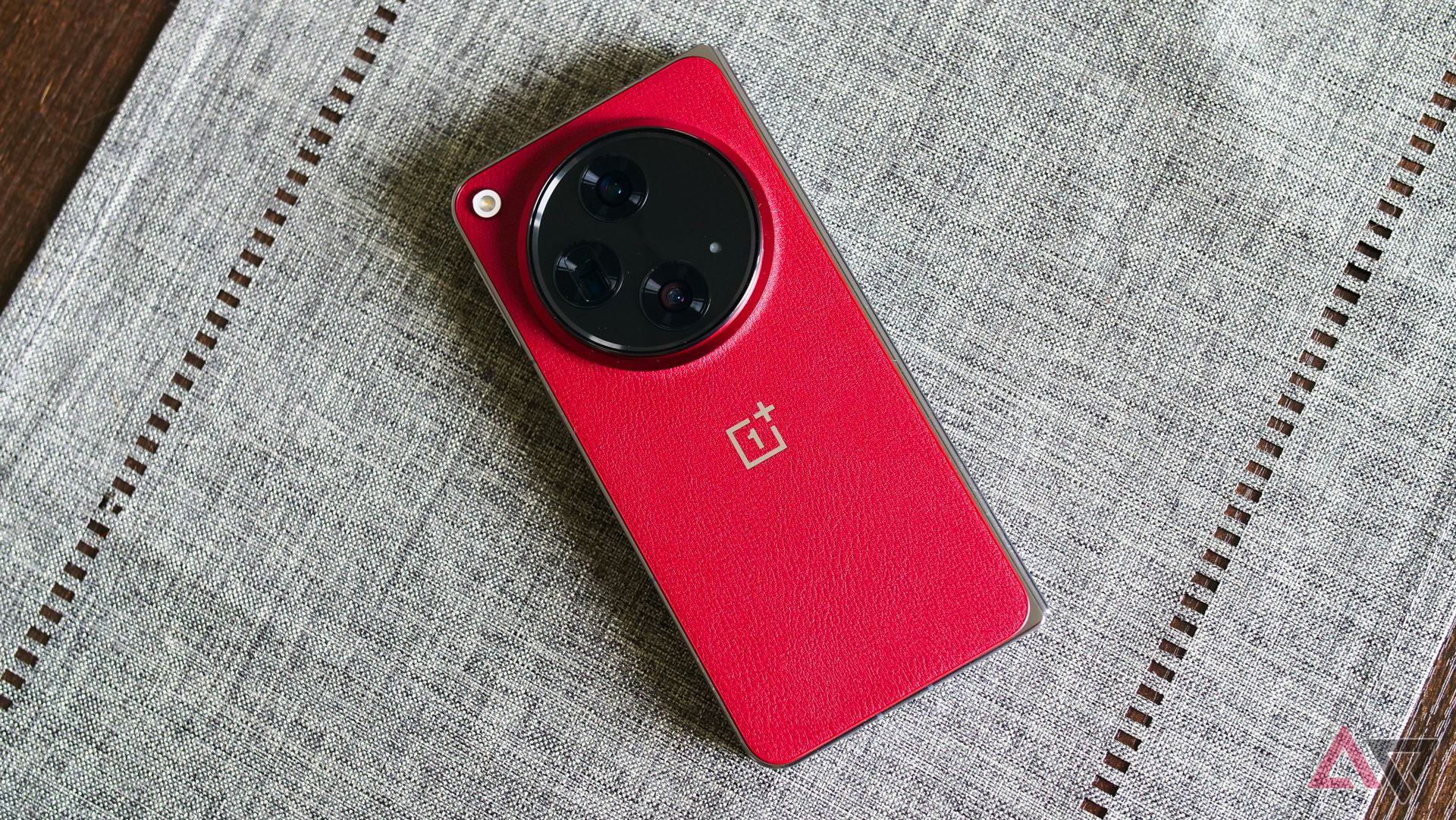
I don’t totally get the appeal of the iPhone 17 Air on paper — or, really, the Galaxy S25 Edge, for that matter. With foldables, which have also entered the “let’s chase the slimmest product possible” race, the hunt to shave off as many millimeters as possible makes sense, as OEMs try to squeeze a folding display into a chassis that isn’t much larger than a typical smartphone. I’m jealous of Oppo Find N5 owners, in particular, because that ultra-slim design seemed custom-built to serve as the perfect OnePlus Open successor. Instead, though, we’re stuck waiting for a potential launch in 2026.
Related
My most anticipated phone isn’t coming in 2025, and I hope it isn’t dead for good
North America needs a third foldable option
Phones like the Galaxy S25 Edge and iPhone 17 Air don’t really have a reason to be so slim though, outside of the inherent wow factor. They’re bound to come with a massive battery sacrifice — the Galaxy S25 Edge, in particular, is rumored to get hit hard. While newer battery technology might eventually help squeeze a 5,000mAh cell into a 6mm chassis, it doesn’t sound like we’re there quite yet. Really, the only tangible benefit I’ve been able to think of comes from the obvious weight reduction, but I’m not sure it’s a fair trade-off if you’re stuck carrying a charger or external battery pack everywhere you go.
So, I’ll leave it to AP’s readership to decide. Do you actually care about slimmer smartphones, or is this a race to benefit OEMs and little else? Do you want a phone that’s as thin and light as possible, or would you rather see Google and Samsung squeeze massive batteries in their smartphones? Maybe you’re somewhere in between, or maybe you just don’t care. Either way, let us know in the poll — and comments — below.





14