A smarter way to sit: Why the LiberNovo Omni is built for modern work and play


Most chairs are built to hold you in place. The LiberNovo Omni is designed to move with you. This new ergonomic chair adapts to your posture throughout the day, shifting and responding to the way your body naturally moves. It doesn’t expect you to sit still. It supports you while you keep going.
Launched after a record-breaking Kickstarter campaign, the Omni is now available for pre-order across the U.S. and Canada. It’s the first chair to bring dynamic ergonomics into real-world setups, from home offices and game rooms to streaming setups and shared workspaces. Instead of locking you into a single upright position, the Omni encourages motion and supports a full range of postures.
Whether you’re coding late, switching between meetings, or gaming with friends, the Omni tracks your position and adjusts to relieve strain. This makes it ideal for people who spend long hours sitting, especially those who want more than a typical task chair or gaming throne.
The problem with static seating
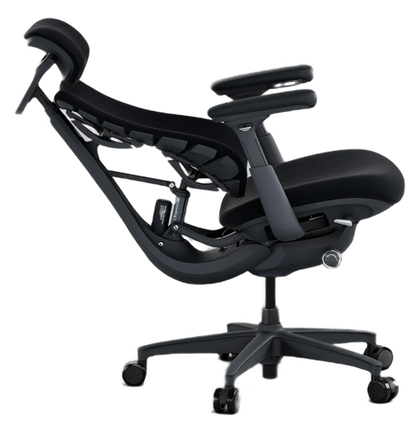
LiberNovo Omni
- Upholstery Material
-
Micro-linen-feeling elastic fabric
- Chair Weight Capacity
-
300lbs
- Chair Height Recommendation
-
5’2″–6’3″
- Warranty
-
5 years (frame), 2 years (electronics)
LiberNovo Omni is a dynamic ergonomic chair designed to support full-body movement throughout your day. It features a responsive backrest with 8 flexible panels, real-time posture tracking, and four recline modes including OmniStretch for spinal decompression. Ideal for work, gaming, or creative tasks, it adapts to your posture automatically and includes upgrade options like a Cooling Seat Cushion for added comfort.
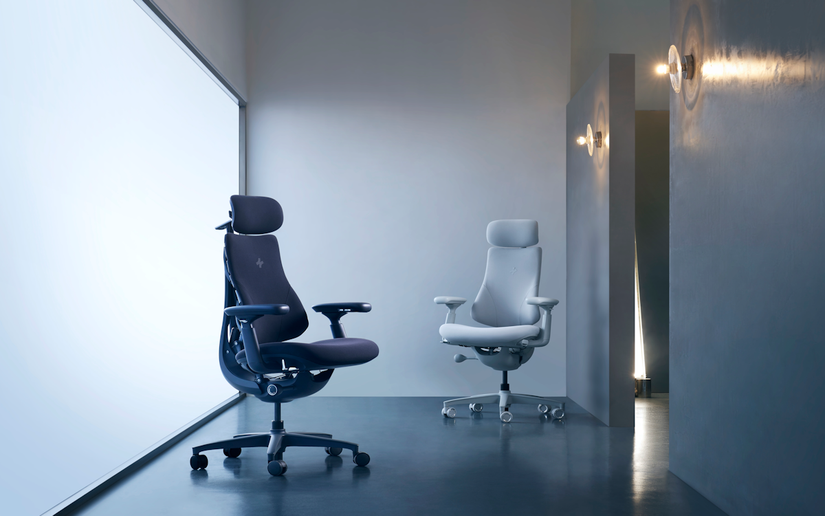
Most office chairs pitch themselves as ergonomic, but they tend to rely on static features. A fixed lumbar pad, a basic tilt function, or adjustable armrests help only to a point. Over time, those minor adjustments can’t compensate for prolonged sitting. And sitting in one position for hours affects more than your comfort.
Credit: LiberNovo
The average American now spends nearly 10 hours each day sitting. This behavior is linked to muscle fatigue, poor circulation, and spinal compression. You lose energy, lose focus, and start to feel the strain that basic chairs fail to address.
Prolonged stillness leads to real consequences. Static posture restricts blood flow. Muscles tighten. The lower back absorbs pressure with little relief. Basic task chairs and many “ergonomic” office models are often limited by rigid frames or fixed backrests that don’t adapt as you move. You end up shifting around or slumping forward by mid-afternoon, trying to stay comfortable in a seat that wasn’t built for real-life use.
Omni’s Dynamic Support System: Built for constant motion
Credit: LiberNovo
LiberNovo approached this problem by rethinking how support should work. The Omni doesn’t just offer settings. It reacts to your movements in real time, maintaining support as you shift. This removes the need for constant readjustment. You stay aligned whether you’re leaning forward to work or reclining to take a break.
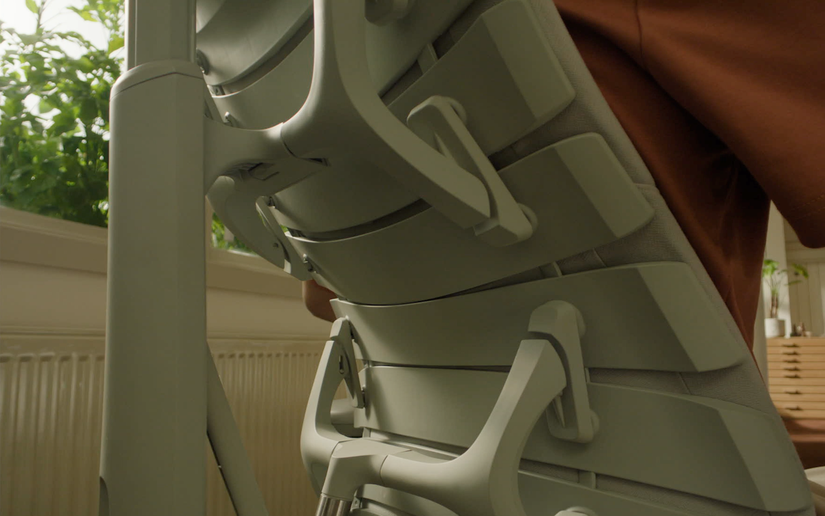
At the core of the Omni is the Dynamic Support System, which includes SyncroLink mechanisms and 60 mechanical joints. These connect the headrest, backrest, armrests, and seat cushion, allowing the chair to move as a unified structure. It adjusts continuously in real time to support posture changes from every angle.
SyncroLink provides mechanical coordination, so as you shift, every part of the chair responds together. This not only maintains ergonomic support across your full body but also enables dynamic vision tracking. The chair subtly adjusts the headrest and backrest to keep your eyes level with the screen, even as you recline.
Bionic FlexFit Backrest: Responsive spinal support
The Bionic FlexFit Backrest forms the spine of the Omni’s support system. It uses eight flexible support panels connected by 14 dual-connection points, forming a surface that adapts naturally to your body. These are backed by dual-layer spherical brackets and 16 pivot points, which give the backrest both structure and flexibility.
This configuration contours to your spine’s natural S-curve. The ErgoPulse Motor System within the backrest helps shape this structure as you move, reinforcing healthy posture and responsive support. It works across a wide range of body types and supports up to 300 lbs, keeping you aligned without needing constant adjustment.
Four recline modes built for different needs
Credit: LiberNovo
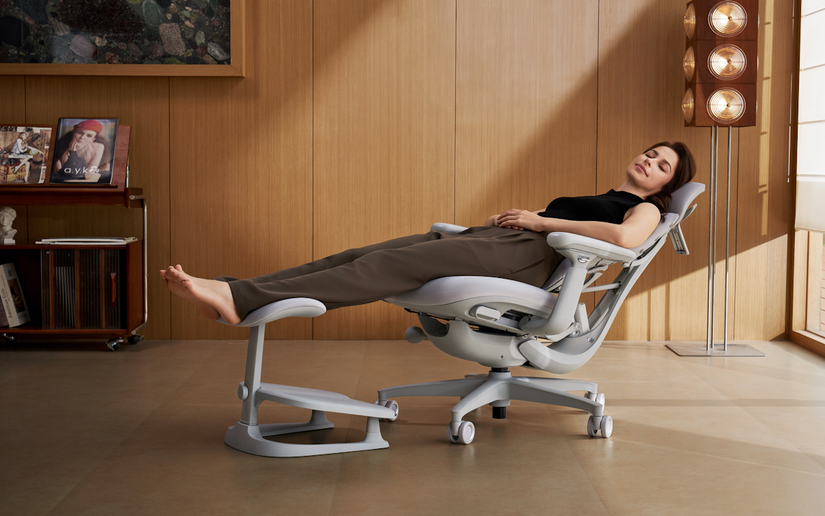
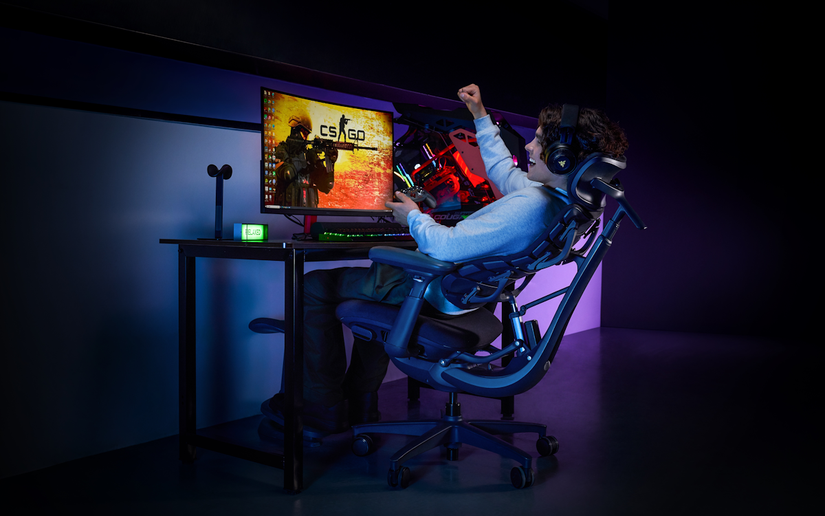
The Omni includes four recline positions to match how you work or relax. A 105-degree “Deep Focus” mode provides a forward-leaning, stable position for video calls or structured work. A 120-degree “Solo Work” mode offers slightly more lean for better comfort during writing or multitasking. A 135-degree “Soft Recline” mode eases back strain for activities like gaming or casual browsing.
The full 160-degree position activates OmniStretch Mode, which provides a gentle spinal stretch inspired by the yoga cat-cow stretch.
These modes aren’t fixed positions you need to lock manually. The chair follows your movement and settles into place as needed. It stays balanced, without any sharp shifts or tension buildup.
OmniStretch helps relieve tension from long periods of sitting. It offers five minutes of passive spinal stretching to reduce stiffness and improve circulation. The experience is designed to help you reset physically and mentally before continuing your work or gaming session.
Dynamic Screen Alignment: Eyes forward, posture intact
The Omni features Dynamic Screen Alignment, a self-adaptive system that independently adjusts the tilt of the headrest and backrest in real time. This ensures your gaze remains aligned with the screen even as you change positions. The armrests also slide back automatically by up to 100mm, keeping your arms supported while maintaining optimal screen height and viewing comfort.
Custom comfort from top to bottom
Credit: LiberNovo
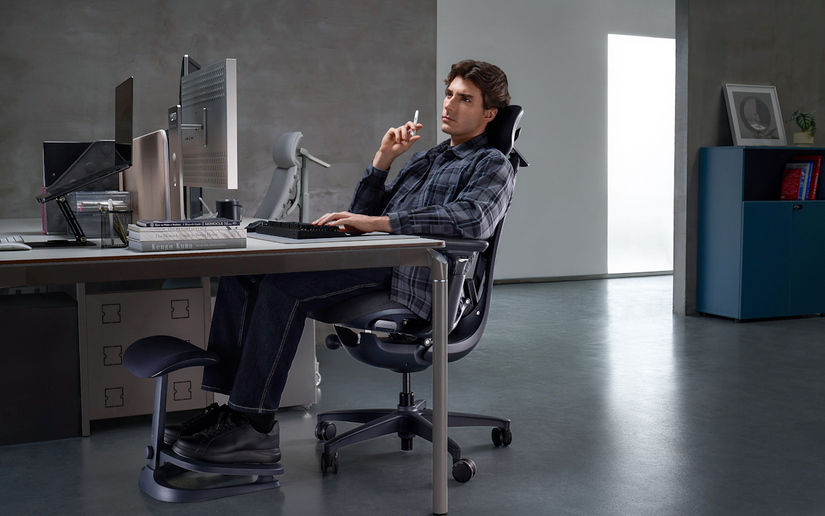
The Omni’s adjustability goes beyond recline. The armrests offer four-directional adjustment. The neck support is flexible and height-adjustable. The seat height adapts to your desk or posture preferences, and the frame fits a wide range of user sizes. There’s also an optional footrest available, which adds extra support when using the more relaxed recline modes.
This flexibility makes the Omni useful for different kinds of setups. Whether you’re using a standing desk part-time, working with dual monitors, or sharing your chair with others at home, the frame adjusts quickly and holds its position without added effort.
Who the Omni is built for
Credit: LiberNovo
This chair was clearly built with hybrid work in mind, but it goes beyond that. The Omni suits gamers, streamers, coders, students, and creative professionals who want to protect their bodies without sacrificing comfort or motion.
Its posture-following design helps reduce fatigue over long sessions. You don’t need to keep readjusting your backrest or shifting in your seat to find comfort. That saves mental energy and helps you stay more focused on the task in front of you.
For people managing chronic back pain or recovering from long-term sitting-related issues, the spinal decompression support built into the 160-degree mode offers targeted relief. It helps offload pressure from the lumbar spine while still providing full-body alignment.
Better posture without rigid rules
Credit: LiberNovo
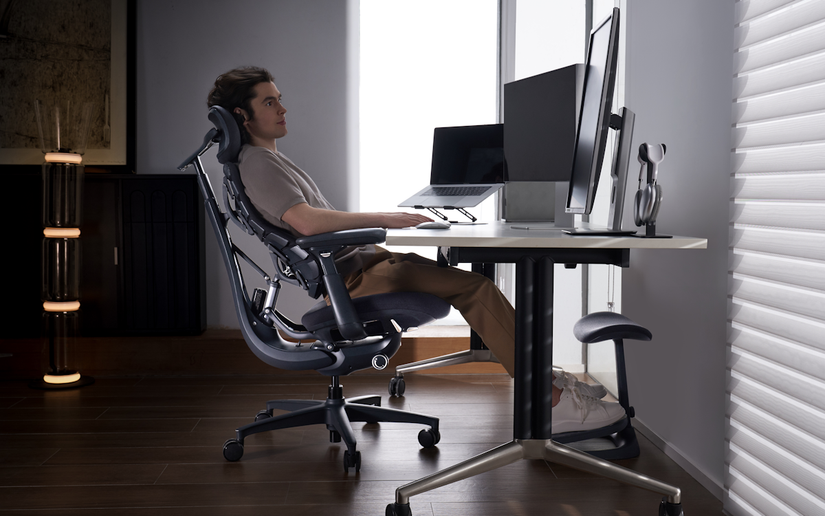
Most ergonomic chairs focus on one ideal sitting position. Sit straight, knees at ninety degrees, arms at desk height. But that setup doesn’t work for everyone all the time. The Omni takes a different approach. It supports the way people actually sit: shifting, leaning, stretching, and adjusting throughout the day.
This flexibility helps keep your circulation moving and your muscles engaged. You’re not forced to sit still. You’re supported through motion, which is what your body needs during long seated periods.
This also makes the chair more practical in shared homes or hybrid setups. You don’t need to spend five minutes adjusting dials before sitting down. It adapts instantly to whoever uses it next.
Cooling comfort anywhere
The Cooling Seat Cushion is a new Omni add-on designed to provide breathable support and reduce heat buildup. It was developed in response to feedback from Kickstarter backers who found the original sponge cushion comfortable but sometimes too warm during extended use.
It uses breathable mesh to support the hips and lower back while encouraging airflow. Whether you’re working long hours or gaming into the night, the Cooling Seat Cushion helps maintain comfort without trapping heat.
Pre-sale and shipping details
The LiberNovo Omni is now available to pre-order in the U.S. and Canada, with the pre-sale running from September 23 at 19:00 PDT through October 20 at 19:00 PDT. During this period, the chair starts at $848 in the U.S. with a 23% discount and C$1,292 with a 29% discount in Canada. New customers in both regions can take a further 5% off at checkout, bringing the price as low as $806 or C$1,227.
Every pre-sale order also comes with a complimentary gift pack that includes an eye mask, eco-bag, cat-scratch-resistant mat, and foot cushion. Shipping for the chair begins on October 20, 2025.
Alongside the chair, the Cooling Seat Cushion is part of the pre-sale. It’s available for $59 instead of its $79 MSRP from September 23 through October 1, with orders starting to ship on October 1, 2025.
Support that adapts to you
The LiberNovo Omni isn’t a standard office chair. It was built to meet the needs of people who spend long hours working, playing, or creating in front of a screen. Rather than forcing you into a static posture, it moves with you, helping reduce the strain and fatigue that come from staying still for too long.
Its design matches how modern work and digital life actually happen. It fits into changing routines and varied schedules. Whether you’re building a game, editing a podcast, working remotely, or relaxing with a show, the Omni supports you from every angle.
Pre-orders for the Omni and Cooling Cushion are open now at libernovo.com. Inventory for the early discount and gift pack is limited.