

The Pixel 9a lost sight of what matters, here’s how the Pixel 10a can fix it


We recently got our first look at the Google Pixel 10a, but you might not have noticed. The renders are easily mistaken for the Google Pixel 9a thanks to a similar color and a camera bar that sits flush with the back of the phone.
Combined with the steady rate of leaks regarding the phone’s internals, we have a decent idea of what we can expect when the phone appears in 2026. It’s not looking good.
The Pixel 9a was a worthy A-series device, but the competition is growing.
OnePlus and Nothing have released phones this year that surpass the Pixel 9a in nearly every category, so Google needs to do something special to prevent the Pixel 10a from being lost in the noise.
Here’s how the Pixel 10a could rectify the Pixel 9a’s mistakes and impress us.
A phone at this price deserves smaller bezels
Competitors can do it; why can’t Google?
At $500, the Pixel 9a struggles to justify the “budget phone” title. It sits firmly in the midrange camp, allowing Pixel fans to get close to the flagship experience while spending less.
However, Google’s flagship phones regularly go on sale at the same price; the Pixel 10 Pro was recently available for $500 through Mint Mobile. It can be challenging to justify buying a Pixel A-series phone for this reason, especially when the phone looks cheap.
I don’t think large bezels are a bad thing, but they are the hallmark of a budget phone. For the Pixel 10a to justify its price, I hope Google makes it look the part.
While the leaked renders show thinner bezels, the leaker confirmed that this is a poor representation, as the bezels are thicker in reality.
Part of the problem is that Google included an impressive 6.3-inch display on the Pixel 9a. This is a classic move for cheap phones, but I would rather see Google reduce the size of the phone alongside the bezels.
A better compromise between AI, storage, and memory
8GB of RAM is struggling to run modern Android software

Google is refining its approach to Gemini with a series of useful apps like Notebook LM and Pixel Journal.
While I still wish we had the choice to disable AI features entirely, I appreciate how Google isn’t bombarding us with reminders to use Gemini-powered features.
However, if you’re willing to give these features a go, then depending on your Pixel device, you may run into problems.
AI requires a lot of storage and memory to function. I use my Pixel 10 Pro’s AI features less than once a day, but the AICore app still uses up 6.8GB of storage.
When you take into account the storage taken up by preinstalled software, you’re left with far less storage than you expect on a modern Pixel phone.
Memory is also a constraint. Pixel 8 users raised concerns in early 2024 when Google claimed it couldn’t bring Gemini Nano to the phone because the phone only had 8GB of memory.
Google changed course after complaints, but stated that the LLM may not provide a consistent experience due to the memory constraints.
The Pixel 10a needs to ship with a minimum of 12GB RAM to effectively run Google’s AI features. Even if you avoid the chatbot, you’re missing out if you don’t try out apps like NotebookLM.
Alternatively, Google can ship the Pixel 10a with 8GB RAM and allow users the choice whether to enable Gemini Nano or not.
Offer better value for money
It’s difficult to justify buying a Pixel A-series
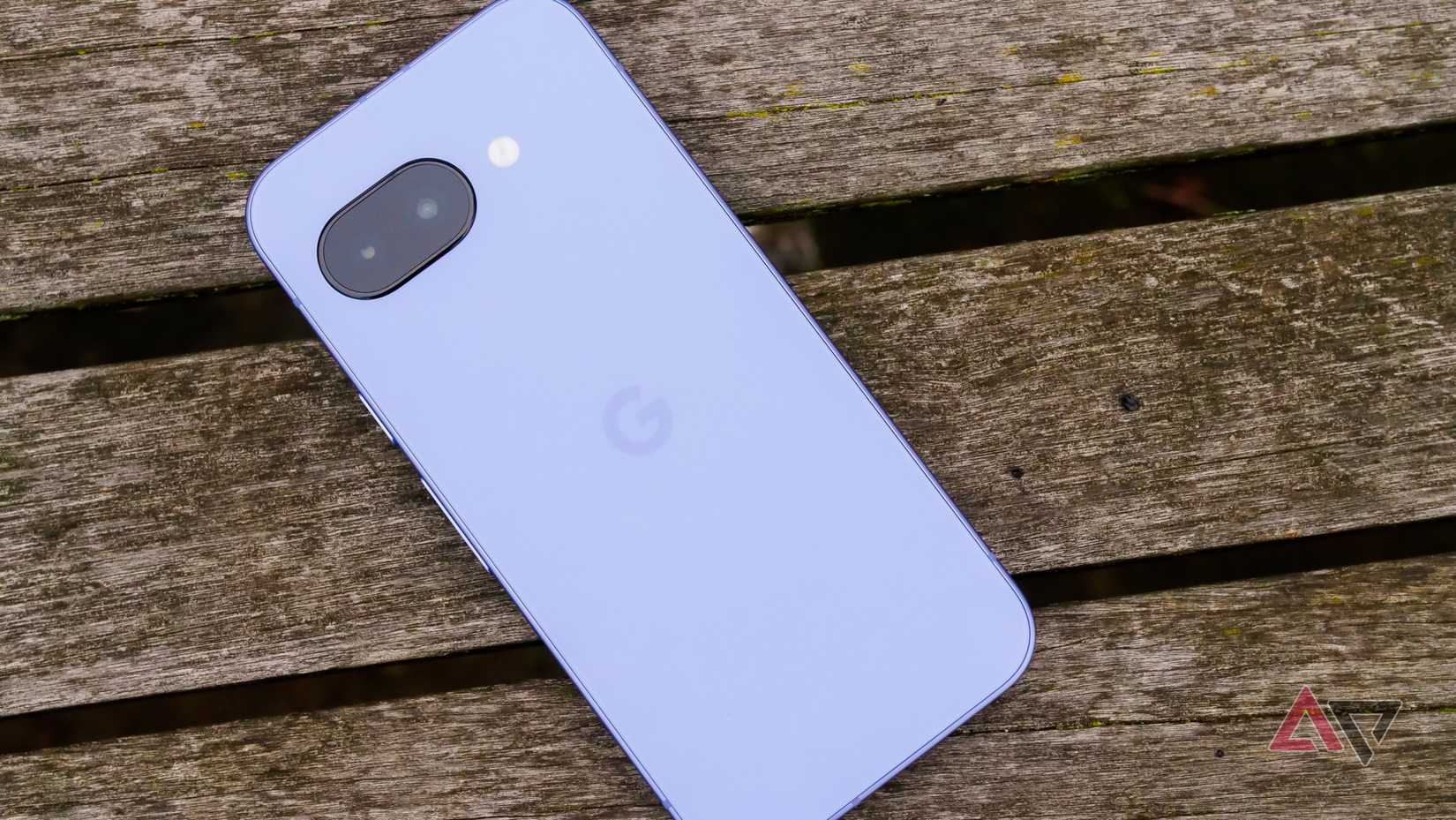
As I pointed out earlier, the Pixel A-series is a midrange phone on the inside, but a budget phone on the outside.
This is frustrating when we look at the Pixel 10a alone, but when we examine the wider world of midrange Android phones, we see a bigger problem. Competition is growing, and the Pixel A-series is looking increasingly out of place.
Recent leaks suggest that the Pixel 10a will break tradition and use the Pixel 9’s Tensor G4 chipset rather than the Pixel 10’s Tensor G5. I don’t think this is a problem in itself, but it will be if the Pixel 10a costs the same or more than the Pixel 9a.
Earlier this year, OnePlus launched the 13R. It’s the perfect midrange phone.
While its cameras aren’t quite as good as the Pixel 9a’s, it makes up for it with a premium design, stunning display (with minimal bezels), excellent battery life, and impressive performance.
It holds its own against most flagships, and all for just $500.
The Pixel 10a doesn’t look like it will come close to matching the OnePlus 13R’s quality, and that’s fine. But only if Google lowers the price.
The Pixel A-series is in a strange spot
Google needs to redefine its approach to the Pixel A-series. Either it doubles down on its midrange identity by increasing the value of the hardware, or it leans into budget territory by lowering the price and using older components.
Unfortunately, it seems likely that the Pixel 10a will offer poor value for money, as Google has never decreased the price of a Pixel phone relative to its predecessor.
Unless Google surprises us, you’ll want to head to the OnePlus camp for the best midrange phone.

Your comment has not been saved

Google’s Pixel 9a takes everything that was great about the Pixel 8a and looks to modernize it. With an all-new Pixel 9-inspired look and no camera bump, this might be the best $500 smartphone we’ve seen yet.




Rate Now